
Wardrobe · Style Journal 06 / 12
Building a Professional Shirt Wardrobe
A considered rotation of shirts covers every working week. Here is how to build one, piece by piece.
A good shirt wardrobe is not a collection of individual purchases; it is a system. Each shirt should work with several trousers, jackets and ties, and each should earn its place by covering a particular need. Built carefully, a modest rotation of shirts will carry a man through every working week, every client meeting and most celebrations, with far less effort each morning.
Start with the foundations
Every professional wardrobe begins with the same two colours: white and light blue. Together, they cover almost every formal situation, they flatter almost every complexion and they work with every suit colour a man is likely to own. Before adding anything else, make sure these are well represented.
- White formal shirts: at least two, ideally one in poplin for suits and one in twill or oxford for a softer, everyday look.
- Blue formal shirts: at least two in pale or sky blue, perhaps one smooth poplin and one textured end-on-end or oxford.
Within blue, the shade matters. A pale, almost powder blue is the most formal and the most versatile, sitting as easily under a charcoal suit as with stone chinos. A slightly stronger sky blue is friendlier and works well on days without a jacket. Very saturated or bright blues are better treated as an accent than as a foundation. Hold the shirt beneath your chin in daylight: the right blue should brighten your face rather than draw attention to itself.
Four shirts in these two colours are the backbone of a working week. They are never wrong at an interview, a presentation or a board meeting, and they provide a neutral base that lets ties, jackets and trousers do the expressive work. If you are uncertain which collar to choose, a semi-spread is the most versatile; our complete guide to shirt collars explains the alternatives.
Add pattern with restraint
Once the solids are in place, introduce pattern in small, controlled steps. Fine patterns read as solid from a distance and add depth up close, which makes them ideal for business shirts for men.
Stripes
A fine blue-and-white stripe is the most useful patterned shirt a man can own. Pencil stripes and narrow bengal stripes work in conservative offices; wider stripes feel bolder and are better kept for less formal days. Stripes pair beautifully with plain suits and solid or subtly textured ties.
Small checks
Fine checks, such as gingham or tattersall in blue or lilac on white, add a lighter mood. They suit everyday office wear and business-casual days, worn alone or under a plain navy or grey jacket.
Texture
Herringbone, dobby weaves and fine twills give a solid shirt quiet interest without introducing pattern. They are an elegant way to vary a rotation while keeping a restrained palette.
Each shirt should earn its place by covering a particular need.
Broaden the palette thoughtfully
With whites, blues, stripes and checks in place, a few additional colours add flexibility. The key is to choose shades that remain versatile:
- Pale pink: surprisingly adaptable, flattering against Indian complexions and excellent with navy and charcoal suits.
- Lilac or lavender: soft and refined, especially with grey trousers.
- Ecru or soft cream: a warmer alternative to white, lovely with beige and brown tones.
- Deeper shades: navy, charcoal or black shirts are generally best kept for evening events rather than daytime offices.
Shirts for celebrations
An Indian professional wardrobe has a demand that few European guides account for: the wedding season, festivals and family functions that fill the calendar in the cooler months. It pays to set aside two or three shirts for these alone. An ivory or white twill with a spread collar sits beautifully under a dark suit at an evening reception. A band-collar shirt in a soft tone, worn beneath a Nehru jacket, suits a mehendi or a puja. A deeper shirt, perhaps navy or a rich wine, gives you an evening option for cocktail parties. Keeping these separate from your office rotation preserves them in good condition for the occasions that will be photographed.
Avoid adding too many strong colours at once. A wardrobe of ten shirts in ten bright colours looks impressive on the rail but combines poorly with everything else.
Leave room for the weekend
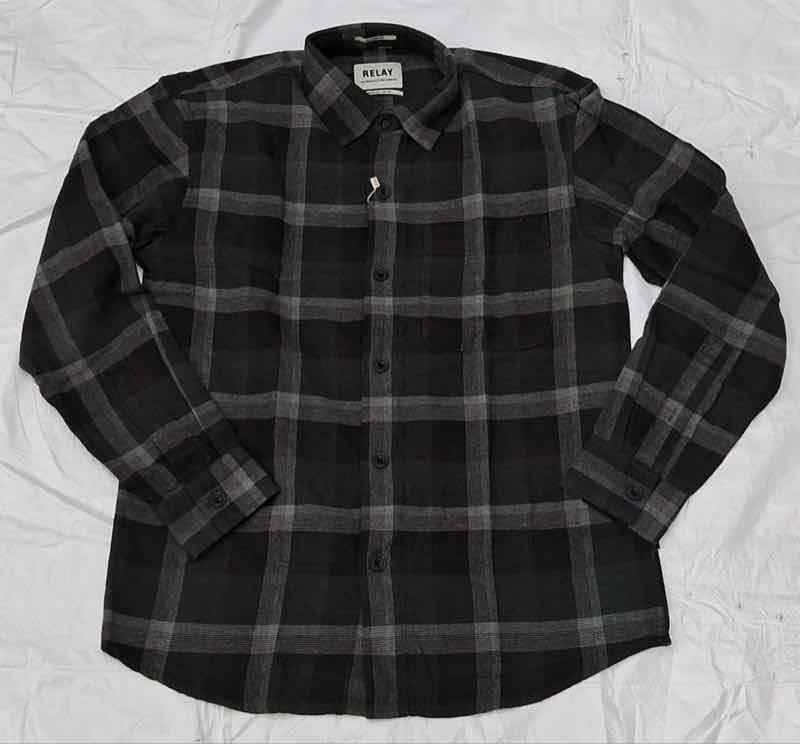
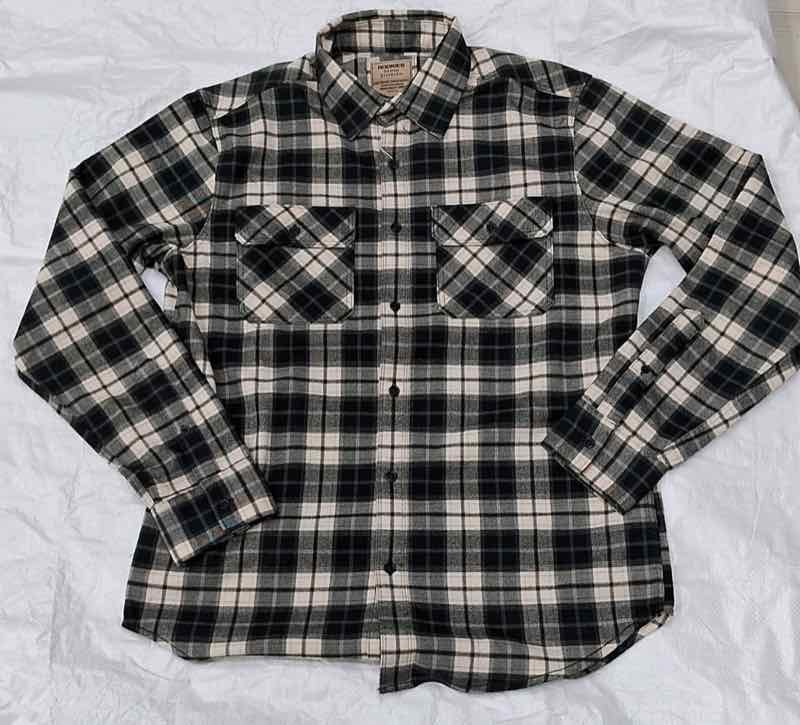
A professional wardrobe is not only for the office. It needs a few shirts for relaxed days that still look considered. The two shirts shown here, a dark green and black check and a black and cream check with flap pockets, belong to that category. Bold, larger-scale checks and pocketed constructions sit firmly on the casual side of menswear.
Worn well, they are excellent. A green and black check works with dark denim or charcoal chinos and brown suede shoes for a weekend lunch, or over a plain tee as a light layer in an air-conditioned café. A black and cream check with flap pockets suits an evening out with black jeans and leather boots or minimal sneakers. Keep them out of the formal rotation; their strength lies in contrast with your working shirts, not in substituting for them.
How many shirts do you need?
There is no single number, but a useful way to think about it is frequency. Shirts last longer and look better when each has time to rest between wears and washes, and in Mumbai's humidity, where shirts are often worn for a single day only, that matters even more.
| Category | Suggested pieces | Role |
|---|---|---|
| White solids | 2–3 | Formal days, interviews, suits |
| Blue solids | 2–3 | Everyday office, meetings |
| Fine stripes and checks | 2–3 | Variety through the week |
| Additional colours and casual checks | 2–4 | Business casual, weekends, evenings |
Rotation itself is a habit worth cultivating. Hang each freshly laundered shirt at one end of the wardrobe and take the next day's from the other, so every shirt is worn and washed at the same pace. This prevents the familiar pattern in which two favourites wear out within a year while the rest hang untouched, and it shows you quickly which shirts you never actually choose.
A rotation of around eight to twelve shirts allows for a full working week, laundry time and a few relaxed options. During the monsoon, when drying is slow, an extra white and an extra blue will save many mornings.
Choose fits and fabrics deliberately
Consistency in fit makes a wardrobe easier to manage. Once you know whether slim fit formal shirts, regular fit formal shirts or a tailored cut suits your body best, apply that knowledge across the rotation. Our comparison of slim, regular and tailored fits covers the details.
The same applies to collars and cuffs. A rotation built largely on semi-spread collars and single button cuffs will work with every tie and jacket you own. Add one or two button-down collars for relaxed days, and perhaps a double-cuff shirt for evenings and important occasions when cufflinks feel appropriate.
Fabrics, on the other hand, should vary with purpose. Poplin for formal days, twill for long ones, oxford for Fridays, and linen blends for the heat and daytime celebrations. A wardrobe built only from one fabric will feel either too formal or too casual for half of your week.
A sample working week
- Monday: white poplin, navy suit, burgundy tie. A strong start to the week.
- Tuesday: pale blue end-on-end with charcoal trousers, no tie.
- Wednesday: blue-and-white pencil stripe, grey suit, navy knitted tie for a client meeting.
- Thursday: pale pink twill with navy trousers and brown shoes.
- Friday: white or blue oxford with a button-down collar, stone chinos and loafers.
- Weekend: a bold check or denim shirt with dark jeans for lunch or an evening out.
Notice how few trousers this requires: navy, grey, charcoal and stone cover the week, because the shirts were chosen to work with them. For more combinations, explore our formal shirt styling guide and men's office shirts.
A wardrobe that works for you
The aim is a set of shirts so well chosen that dressing becomes a matter of seconds, not decisions. Solids at the core, restrained patterns around them, a few colours for warmth and a handful of casual shirts for the weekend: that is the structure of a professional wardrobe that serves every occasion. To explore men's formal shirts in different colours, fabrics and fits, visit Options Mall in Juhu, Vile Parle West, and see the range for yourself.